
We go through life judging everyone around us as if we were a superior species from another galaxy — as if we always make the best decisions, as if we always know better. But the truth is much simpler and much more humbling: we are all human, and every human being acts according to their own history, fears, wounds, and beliefs. And most of the time, we don’t know that story.
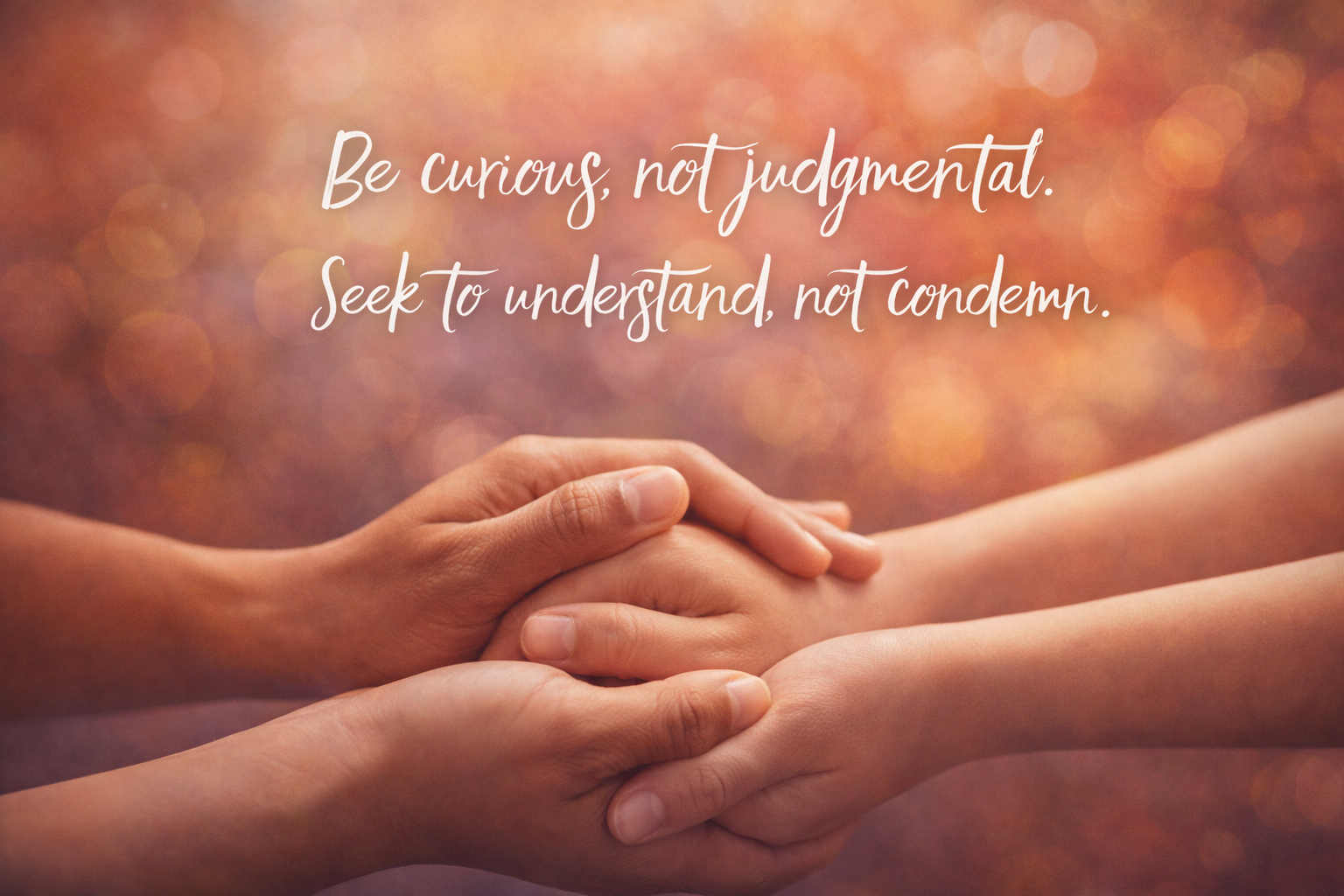
We spend so much time judging others that we forget to look inward. If we are going to judge anyone, shouldn’t we start with ourselves? Not with cruelty — but with awareness.
Because when we pause and examine our own reactions, we begin to understand something important: everyone else also has reasons. Reasons we may never fully understand. Reasons that shaped the way they speak, act, decide, love, or fail.
Judging is easy. Understanding is hard. Putting yourself in someone else’s shoes is difficult enough. Feeling what they feel? That requires empathy. And empathy requires humility.
“If you judge people, you have no time to love them.” – Mother Theresa
It is easy to judge someone by the way they look. By the way they speak. By the decisions they make. By their lifestyle. By their mistakes. But we do not know what they carry. We can know someone’s story — but we cannot feel their emotions. We can hear what happened — but we cannot inhabit their nervous system. We can see behavior — but we cannot see the invisible battles.
And here is something uncomfortable: Every time we judge someone, we reveal something about ourselves. Judgment often says more about our fears, insecurities, and unexamined beliefs than it says about the other person.
“When you judge others, you do not define them, you define yourself” – Wayne dyer
Disagreeing is healthy. Having boundaries is necessary. Calling out harm is sometimes essential. But there is a difference between discernment and condemnation. We can observe without attacking. We can disagree without dehumanizing. We can protect ourselves without turning cold.
Lately, I’ve been trying something different. When I feel the impulse to judge, I pause and ask myself:
What is this touching in me?
What belief is being challenged?
What fear is being activated?
Most of the time, the answer has more to do with me than with the other person. I’m not saying we should never judge. We’re human — we will. But maybe we can become more aware of it. Maybe we can choose curiosity a little more often. Not because we are saints. Not because we are superior. But because it gives us more peace. And at the end of the day, peace feels better than being right.
Muy cierto, muchas veces nos perdemos la oportunidad de conocer a una persona tal cual es, por el hecho de prejuzgarla, sin siquiera darle una oportunidad de que se presente tal cual es. Simplemente por su forma de hablar o actuar ya la estamos prejuzgando.
Si totalmente! Se nos hace muy facil juzgar sin antes realmente entender porque alguien es como es. Si pudieramos entender mas a los demas, sin apuntar a todos con el dedo, todo seria diferente.