
Have you ever thought about what it would be like to live a minimalist lifestyle? Can you imagine how your life would be if you didn’t feel the need to have more in order to be happier? Wouldn’t that be the key to a more fulfilled and balanced life? Wouldn’t that be freedom? Absolutely. Our lives — and our minds — would benefit greatly from a minimalist lifestyle. Let’s analyze together the benefits of living this way.
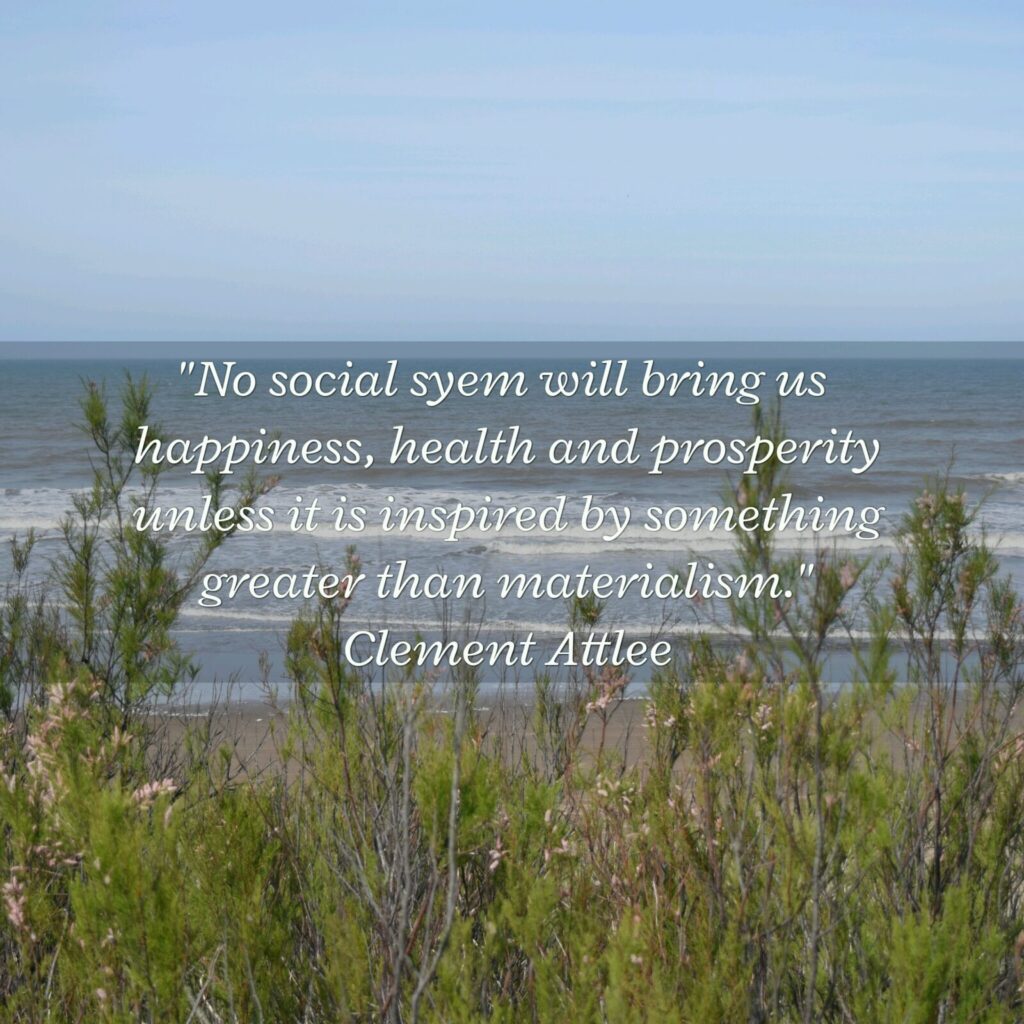
Nowadays, we live in a world where we constantly strive to have more. The problem is that we have accepted the idea that more equals more happiness. But the truth is, the more you want, the less happy you become. How can this be true? Because in that process, we exchange our freedom for possessions. Material things are not really paid with money — they are paid with time. Time that we take from our lives in order to obtain them. And if we have less time to truly live and enjoy our lives, how can we be genuinely happy?
We have fallen into the trap of believing that the more we have, the more successful and happy we will be. And in a way, that can feel true — at first. The problem is that this feeling of satisfaction lasts only for a moment. We feel happy, fulfilled, and successful, but quickly that sensation fades away. Then we return to the same feeling of emptiness, becoming addicted to having more and more, just to feel fulfilled again — for a brief moment.
“We really must understand that the lust for affluence in contemporary society is psychotic. It is psychotic because it has completely lost touch with reality. We crave things we neither need nor enjoy.” – Richard Foster
The ultimate problem is that the more we want, the more dependent we become. What we own begins to own us. And the more we are owned by our possessions, the less free we are. Our happiness becomes conditioned by what we have and what we lack. We begin to see life as half-empty, feeling dissatisfied and incomplete. So, desperately, we chase more things in order to recover a happiness that only lasts temporarily.
As we can see, the idea that having more is the key to happiness is mistaken. Of course, it is natural to want to improve our lives and acquire things we enjoy. There is nothing wrong with that. But believing that possessions will give us lasting fulfillment is a mistake. If that were true, people who have everything would always be happy, and people with little would always be miserable — and that is not what we see in reality. Possessions do not determine our happiness.
“The things you own end up owning you. It’s only after you lose everything that you’re free to do anything.” – Tyler Durden (Fight Club)
It is okay to aim for a comfortable life. But we should never depend on material possessions — or any superficial thing — to feel happy. This is what living a minimalist lifestyle truly means. It means living in a way where our happiness, freedom, and peace of mind do not depend on external things. It means being grateful and content with what we already have, without constantly needing more in order to feel complete.
Living a minimalist lifestyle means removing from our minds and daily lives everything that distracts us from peace and fulfillment. It means being free to feel good at any moment, without depending on outside circumstances. When we live simply, we focus on what truly matters. We learn to control our emotions instead of allowing objects, status, or expectations to control us.
“The consumption society has made us feel that happiness lies in having things, and has failed to teach us the happiness of not having things.” – Elise Boulding
When we live a minimalist lifestyle, we focus on what really matters. We become closer to our true selves, because we are no longer distracted by unnecessary things. This allows us to develop our real potential. The truth is, we do not need much to live a happy and fulfilled life. What we need is fewer distractions — fewer things that pull our attention away from what is essential.
The things that truly fill us cannot be bought. They are connection, purpose, love, growth, peace, and meaning. Without these, no amount of possessions will ever be enough. We will always feel incomplete, always chasing something external to fill an inner space that only deeper values can satisfy.
Let us focus our minds on what truly matters. Let us keep what is essential, feel content with less, and release everything unnecessary — everything that prevents us from fully enjoying our lives.
Querida Melisa, muy acertados tus comentarios como de costumbre. Creo que hoy día los medios y la publicidad están metiendo de a gotas a la sociedad la necesidad de artículos realmente innecesarios. De esa manera se produce un correr por quien lo tiene primero y sí es más caro es sinónimo de que es mejor, aunque en realidad no lo valga. Pero todo es un engaño y es lamentable que la sociedad se vea arrastrada como un Tsunami a correr alocadamente por productos que ni siquiera van a usar o les va a servir. Pero es el hecho de correr para alcanzarlo y una vez que lo tienen corren hacia el próximo obstáculo y así se les va la vida, corriendo detrás de cosas innecesarias y sin siquiera disfrutarlas, porque siempre hay un nuevo hito que alcanzar. Creo que la felicidad es saber disfrutar de lo que uno tiene sin volverse loco por alcanzar cosas inalcanzables.
Si, estoy de acuerdo! Vivimos en una sociedad gobernada por un sistema que nos obliga constantemente a adquirir mas, y nosotros convencidos que eso es la clave para la felicidad, caemos una y otra vez en ese juego de adquirir cosas que no necesitamos para poder ser felices, y es así que lo somos, pero de forma momentánea, y otra vez continuamos con la búsqueda de mas cosas para así volver a ser felices. Es un engaño muy grande, y lo peor es el tiempo que perdemos de disfrutar la vida por adquirir mas y mas cosas, porque eso si que no vuelve, eso si que no se compra, el tiempo se va y no vuelve mas.