
Sometimes, one of the hardest battles in life is the one that takes place between a person and their past. The events themselves are over, yet their emotional weight can continue to shape the present. Old pain, old memories, old betrayals, old grief — all of these can remain alive within us long after the moment has passed. And when that happens, it can feel as if the past is still controlling our lives. But is the past itself the cause of our suffering now? Or is the deeper struggle found in the way we continue carrying it?
Imagine, for a moment, a fictional trial.
A woman brings her past to court. She accuses it of destroying her life. She believes that everything that happened to her — the pain, the people, the losses, the disappointments — has permanently damaged her present. According to her, her suffering today exists because of what happened then.
The case is heard. The pain is real. The evidence is heavy. And yet, when the verdict arrives, the conclusion is not that her pain was imaginary or unimportant. The conclusion is something more difficult:
The past cannot be changed. But the way it continues to live inside her can.
The court does not say she is guilty for having suffered. It simply reveals that if the past still rules her present, it is because it continues to live there through memory, resentment, fear, or attachment.
That realization is painful — but also powerful. Because if the past is being carried in the present, then the present is also where healing can begin.
“Too often, we carry around those things from our past that hurt us the most. Don’t let past pain rob you of your present happiness. You had to live through it in the past, and that cannot be changed, but if the only place it lives today is in your mind, then forgive, let go, and be free.” – Doe Zantamata
The truth is that what happened cannot always be undone. Some experiences leave deep marks. Some wounds change us forever. Letting go does not mean pretending those things did not matter. It means recognizing that while the past shaped us, it does not have to imprison us.
Sometimes we remain attached to the past through resentment. Sometimes through guilt. Sometimes through grief. Sometimes through the identity of being the one who was hurt. And while those responses are understandable, holding on to them indefinitely can slowly turn pain into a permanent home.
The wound may not have been our fault. But healing, little by little, becomes our responsibility.
“Some of us think holding on makes us strong, but sometimes it is letting go.” — Hermann Hesse
There is a difference between acknowledging pain and living entirely inside it. We cannot go back and rewrite what happened. We cannot force life to give us a different past. But we can begin asking a new question: How do I want to relate to what happened now?
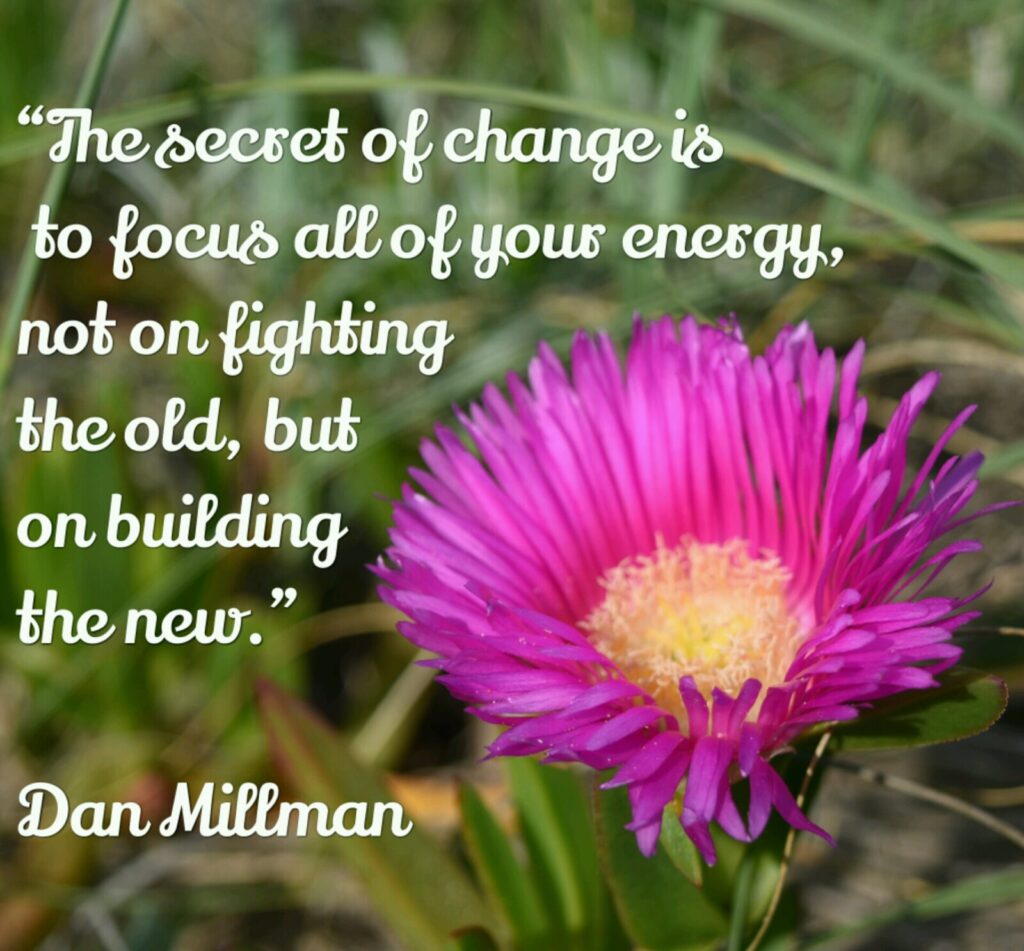
That is where healing begins. Not by fighting endlessly with the past. Not by denying it. Not by pretending it didn’t hurt. But by loosening our grip.
Letting go is not weakness. It is not forgetting. It is not excusing what happened. It is choosing not to let yesterday completely define today. Sometimes healing asks us to stop replaying the same story. Sometimes it asks us to forgive — not because what happened was acceptable, but because we no longer want to keep carrying it. Sometimes it asks us to grieve honestly, accept reality, and slowly make room for something new.
This is difficult work. It does not happen all at once. But it is possible. And perhaps healing is not about defeating the past at all. Perhaps it is about no longer living as if the past is the only story we are allowed to tell.
So if you are carrying something heavy from another chapter of your life, be gentle with yourself. Acknowledge what hurt. Honor what was lost. Learn what you can. And when you are ready, begin loosening the ties. Because the past may always be part of your story — but it does not have to be the part that writes the rest of your life.