
It is not only what happens to us that shapes our life experience, but also how we respond to it. That is where responsibility enters the picture. Responsibility is not always an exciting word. It does not sound magical or glamorous. But in real life, it can be deeply transformative. The level of responsibility we take for our choices, our habits, our reactions, and the direction of our lives can make an enormous difference over time.
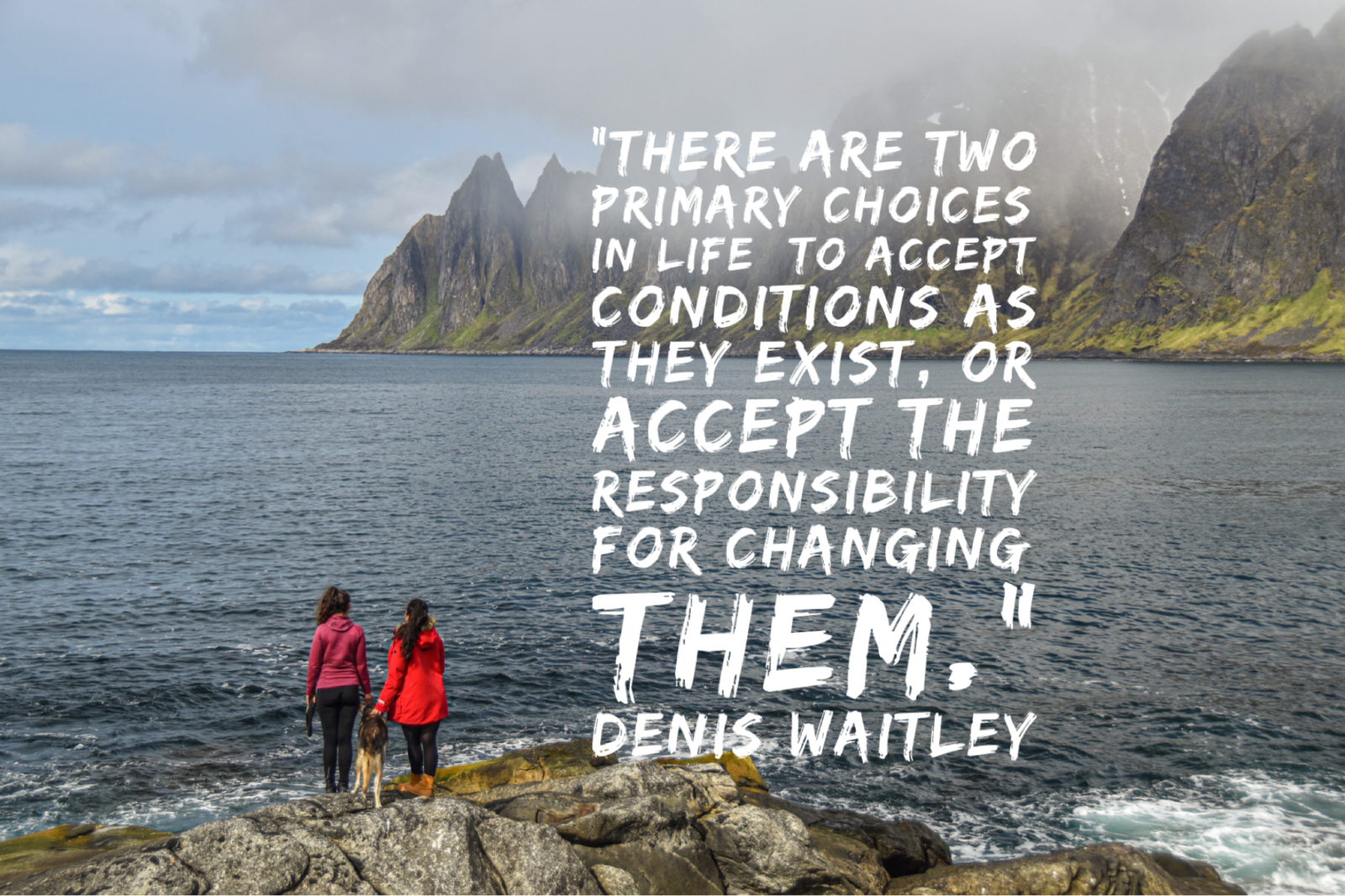
Throughout life, we all face situations that feel unfair, painful, or deeply disappointing. We experience rejection, failure, hurt, and moments that leave us overwhelmed. Some of these things are outside our control, and some of them affect us in ways that are very real.
When that happens, it is natural to feel sadness, anger, helplessness, or grief. But what we do next matters.
There is a difference between acknowledging pain and handing over our entire life to it.
For a long time, I often felt that the world and the people in it were against me. I saw others as rude, unfair, or responsible for the ways I was struggling. And in many cases, I blamed other people, circumstances, or life itself for the decisions I was making and the results I was getting.
At the time, that perspective felt convincing. But over the years, something changed.
Not because life suddenly became easy or people suddenly became kind. What changed was the way I began to see my role in my own life. I stopped seeing myself only as someone life was happening to, and began asking what was still mine to shape.
That shift mattered.
“When you think everything is someone’s fault, you will suffer a lot. When you realize that everything springs only from yourself, you will learn both peace and joy.” – Dalai Lama
But life is not so simple. Life includes randomness, unfairness, other people’s choices, and circumstances we did not create. Some suffering is not our fault. Some wounds are real and deserved compassion, not blame.
But even so, responsibility still matters. Not because we caused everything, but because at some point, our healing, our choices, and our next steps become part of our own work.
We may not control what happened. But we do have some influence over what we do now. And that influence matters. Taking responsibility does not mean denying pain, pretending everything is fine, or blaming ourselves for being hurt. It means asking:
What is mine to do from here?
What kind of life do I want to build now?
What choices are still available to me?
That is where power begins to return.
“The victim mindset dilutes the human potential. By not accepting personal responsibility for our circumstances, we greatly reduce our power to change them.” – Steve Maraboli
Again, there is nothing wrong with feeling hurt, defeated, or deeply affected by life. Sometimes we do feel broken by what happened, and those feelings are valid.
The danger comes when we remain stuck there indefinitely, believing we have no power left at all. Because even in difficult circumstances, there are often still choices to make. Not always big ones. Sometimes very small ones.
A new thought. A different response. A boundary. A decision to ask for help. A choice to stop repeating what harms us. These things matter.
Taking responsibility is difficult. It requires honesty, effort, and the willingness to stop waiting for life to become easier before we begin participating in it again. But it can also be freeing.
Because the moment we stop asking only, Why did this happen to me? and begin asking, What do I want to do with the life that is still here? something shifts.
That shift may be quiet. But it changes everything.
“In the long run, we shape our lives, and we shape ourselves. The process never ends until we die. And the choices we make are ultimately our own responsibility.” – Eleanor Roosevelt
When I stopped living entirely inside self-pity and began taking more responsibility for my own life, things did not improve overnight. But slowly, something changed.
Each day became a chance to learn. Mistakes became information. Challenges became places where I could grow. And little by little, I began to feel less trapped inside my circumstances.
That does not mean life became fair. It means I became more engaged in shaping my own response to it. And that is often where a better life begins.
So if life has hurt you, limited you, disappointed you, or left you feeling behind, be gentle with yourself. Your pain is real. But when you are ready, ask yourself what is still yours to reclaim. Because responsibility is not a punishment. Sometimes, it is the first step toward freedom.