
We often confuse self-care with selfishness — and sometimes we confuse selfishness with self-care. This confusion creates tension in families, relationships, workplaces, and even within ourselves. We feel guilty for resting. We feel ashamed for saying no. Or we justify harmful behavior by calling it “putting ourselves first.” Not being able to see the difference clearly is what causes unnecessary suffering.
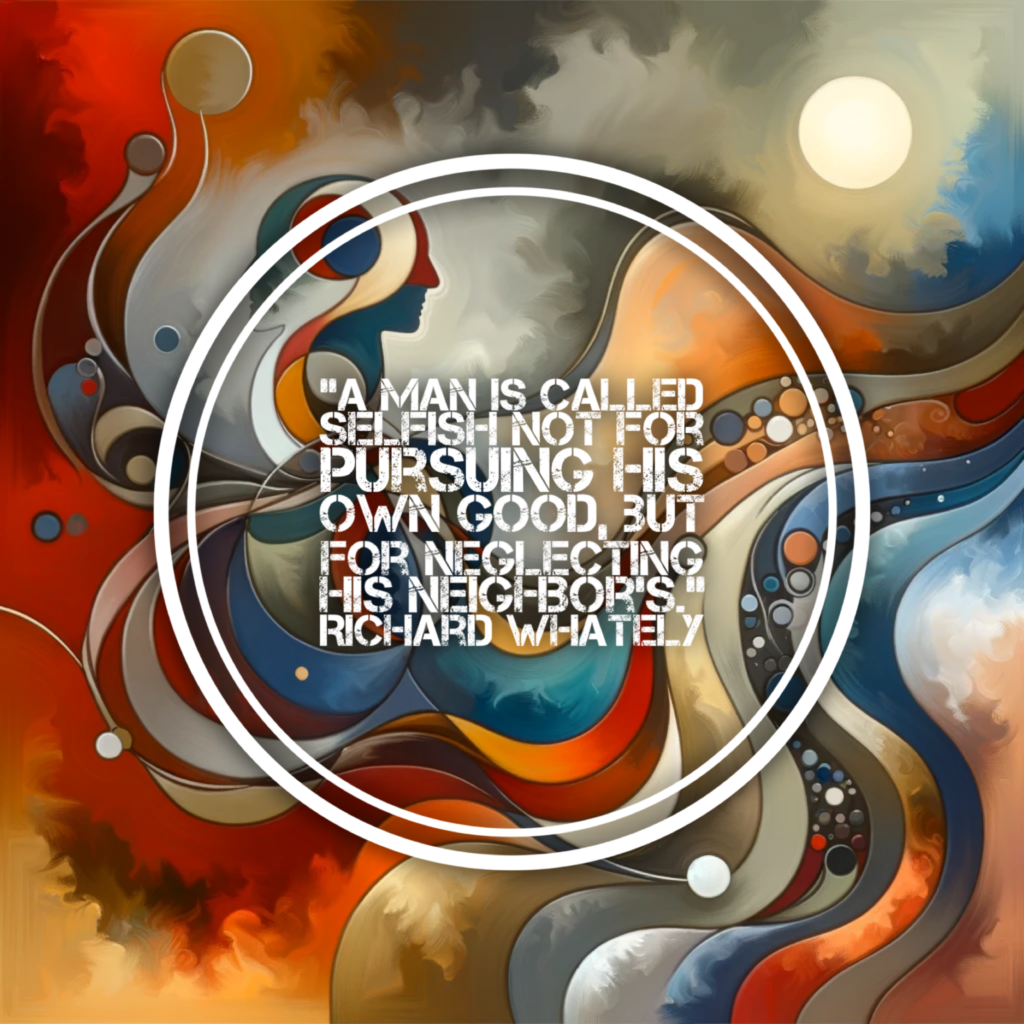
At first glance, self-care and selfishness seem similar. Both involve caring about oneself. Both involve recognizing personal needs. Both involve prioritizing our well-being. But there is one crucial difference:
Selfishness pursues personal benefit regardless of the impact on others. Self-care pursues personal well-being while respecting the well-being of others. That difference changes everything.
Selfishness is centered exclusively on “me.” It asks: What do I want? What do I gain? It does not consider who might be hurt in the process. It can justify manipulation, indifference, betrayal, or exploitation — as long as personal needs are met. Selfishness is not strength. It is often insecurity disguised as power.
Every man must decide whether he will walk in the light of creative altruism or in the darkness of destructive selfishness.” – Martin Luther King, Jr.
Self-care, however, is different. Self-care recognizes that we have limits. That we need rest. That we deserve respect. That our needs matter. But it also recognizes that others matter too. Self-care says: “I will take care of myself so I can show up fully in the world.” It does not say: “I will take from others so I can feel whole.” Self-care is not trampling others to reach your goals. It is strengthening yourself so you can pursue your goals responsibly.
A person who practices self-care may:
• Set boundaries
• Say no
• Leave a toxic situation
• Choose rest over overworking
• Follow their dreams
But they do not do these things to harm others. They do them to protect their integrity and mental health. Self-care is rooted in self-respect. Selfishness is rooted in self-absorption.
“Selfishness is not living as one wishes to live; it is asking others to live as one wishes to live.” – Oscar Wilde
The world does not need more selfish people. But it also doesn’t need more exhausted souls who feel guilty for taking care of themselves. Many of us were taught that putting ourselves first is wrong. That resting is laziness. That saying no is rude. That choosing our own well-being is selfish. So we shrink, and we overgive. We silence our needs. And then we wonder why we feel empty.
Taking care of yourself is not selfish. It is necessary. You cannot keep giving when you are depleted. You cannot support others when you are drowning. You cannot build healthy relationships while abandoning yourself.
But self-care is not an excuse either. It is not a free pass to hurt others, ignore consequences, or justify harmful behavior in the name of “I’m just doing me.” Real self-care includes awareness. It includes responsibility. It includes consideration.
There is a difference between protecting your energy and not caring about anyone else’s. That difference is subtle — but powerful. And finding that balance requires honesty with yourself.
“Selfish persons are incapable of loving others, but they are not capable of loving themselves either.” – Erich Fromm
So which one will you choose? Will you neglect yourself to avoid criticism? Will you justify harmful behavior as “self-priority”? Or will you practice conscious self-care — the kind that strengthens you and respects others?
The key is not choosing between yourself and others. The key is understanding that caring for yourself properly makes you more capable of caring for others. Healthy self-care creates healthier relationships. Healthy self-care builds stronger communities. Healthy self-care reduces resentment and burnout.
Loving yourself is not selfish. Ignoring the impact of your actions is. Take care of yourself. But do it in a way that makes the world better — not smaller.