
Resentment is poison for your life. It is made from a lethal combination of fear, disappointment, anger, and sadness — and when those emotions mix together without being processed, they become one of the most effective recipes for long-term suffering. If you want to live a lighter life, you must learn to let go of resentment.
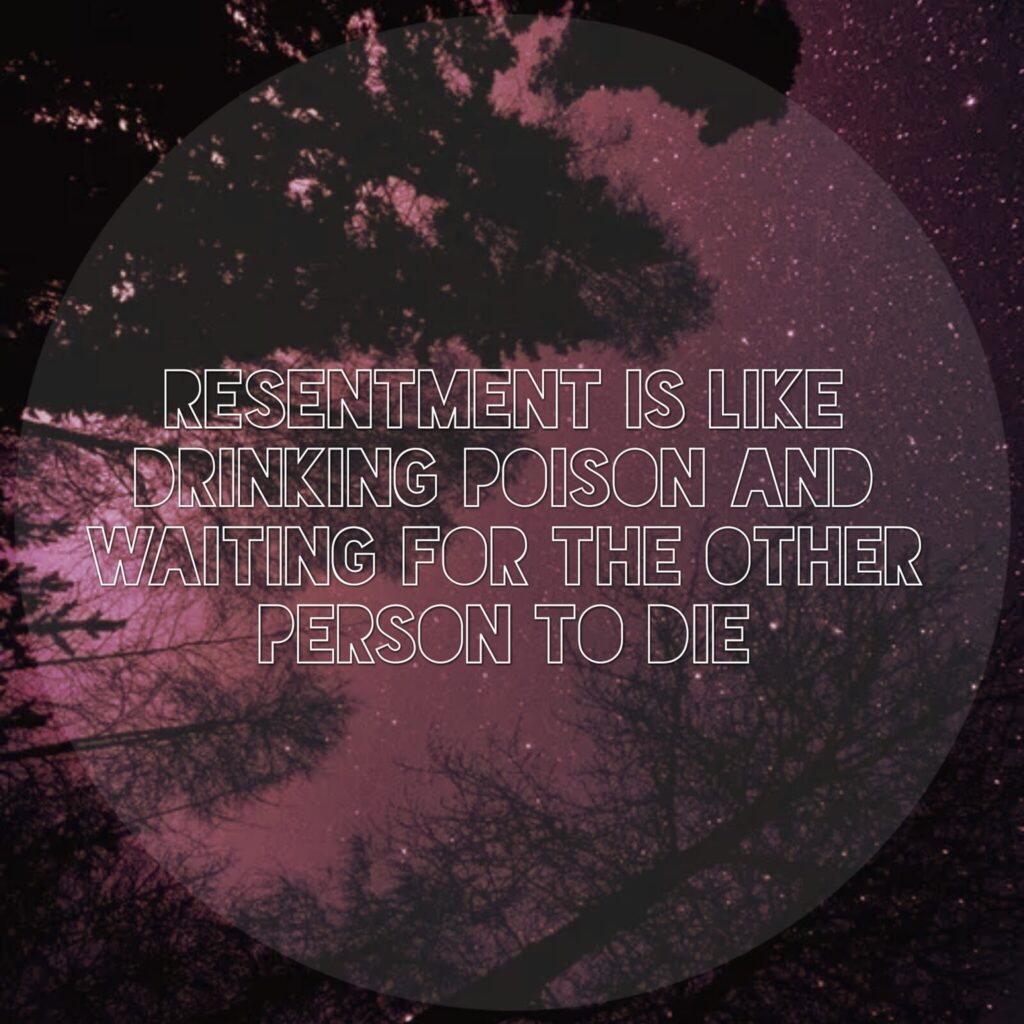
Resentment ties us to the past. It keeps us emotionally attached to moments where we felt humiliated, rejected, betrayed, misunderstood, or deeply hurt. And instead of living in the present, we replay those memories again and again, reliving the same feelings — even when our current reality has nothing to do with what happened back then.
We think resentment protects us. We think it is a form of justice. We think holding on to it proves that what happened was wrong. But resentment does not punish the other person. It punishes the one who carries it.
“As smoking is to the lungs, so is resentment to the soul; even one puff is bad for you.” – Elizabeth Gilbert
Resentment limits you. It quietly shapes your reactions, your relationships, and your sense of identity. It narrows your perspective and makes you interpret new situations through old wounds. When resentment leads, you are no longer responding to the present moment — you are reacting to the past.
You compare people who never hurt you to someone who once did. You defend yourself before you are attacked. You withdraw before you are rejected. And slowly, resentment becomes the invisible filter through which you see the world.
The truth is: resentment does not give you strength. It drains it. It keeps your nervous system alert. It keeps old pain alive. It keeps you stuck.
“Bitterness and resentment only hurt one person, and it’s not the person we’re resenting – it’s us.” – Alana Stewart
Peace and resentment cannot coexist for long. To live freely, you must release the weight you are carrying, and that does not mean pretending nothing happened. It does not mean excusing harmful behavior. It does not mean allowing someone back into your life. It means choosing not to let the past control your present.
So how do we let go? In my experience, the key is forgiveness. Not forgiveness as weakness. Not forgiveness as denial. But forgiveness as liberation. Forgiveness is the decision to stop rehearsing the wound. It is allowing yourself to feel the pain without building your identity around it.
It is choosing not to let what happened define who you are becoming. Sometimes forgiveness begins with expression. With speaking. With writing. With crying. With acknowledging: “Yes, this hurt me.” And then choosing to move forward anyway. When you forgive, you are not freeing the other person. You are freeing yourself.
Resentment keeps you tied to who you were when you were hurt. Forgiveness allows you to become who you are now. Let go of resentment. Not because they deserve peace. But because you do.
Creo que Alana Stewart ha sido un poco benévola en su pensamiento: “Bitterness and resentment only hurt one person, and it’s not the person we’re resenting – it’s us.” ya que la raíz de amargura y el resentimiento, no solamente daña al que lo siente, sino que daña todo nuestro entorno (familia, amigos, hijos, trabajo, padres, etc.)
Hermosa reflexión esta que nos presentas hoy Melisa y mucho mejor su conclusión: el PERDÓN. Sin la acción de perdonar, seguirá estando enferma nuestra alma y nuestro entorno y nuestra realidad quedará desdibujada.
Gracias por tu comentario y concuerdo totalmente! El perdón libera nuestra alma de todo resentimiento, por lo que finalmente volvemos a encontrar la paz con nosotros mismos y todos aquellos que nos rodean. Muy de acuerdo con tu comentario sobre la frase de Alana Stewart, pero tambien coincido en que la persona que mas sufre es aquella dominada por el resentimiento, porque la realidad es que aquella persona que nos ha generado ese resentimiento muy pocas veces se ve afectada por nuestro odio, ya que afecta sobre todo a la persona que lo posee.