
Humanity is facing a serious crisis. Not just political. Not just environmental. Not just economic. It is a crisis of love. Somewhere along the way, we confused progress with profit. We confused success with status. We confused power with dominance. And in that confusion, we neglected something essential: our capacity to love.
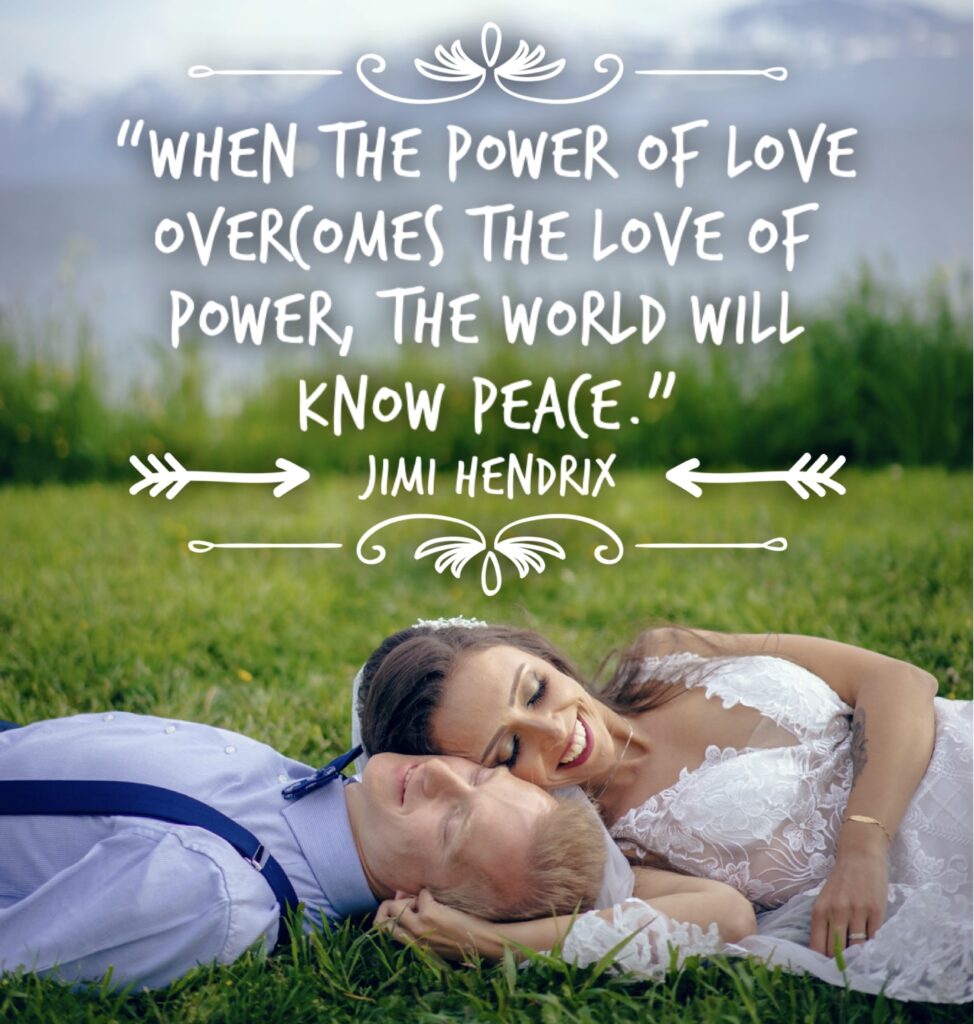
We have not lost intelligence. We have not lost innovation. We have not lost productivity. We have lost perspective. We have lost tenderness. We have lost collective responsibility. We have forgotten that what we do to the world, we do to ourselves.
Money itself is not evil. Ambition is not evil. Growth is not evil. But when money becomes the highest value, everything else becomes expendable. Forests become numbers. Oceans become resources. People become labor. Communities become markets. And slowly, love is replaced by utility. We begin to measure worth in currency instead of character.
“Only when the last tree has died, and the last river has been poisoned, and the last fish has been caught will we realize we can’t eat money.” – Cree Indian Proverb
We chase power while losing compassion. We chase recognition while losing connection. The world is not collapsing because humans are incapable. It is struggling because we have prioritized the wrong things.
How is it possible that in a world with so much abundance, people still go hungry?
How is it possible that we destroy ecosystems we depend on?
How is it possible that we separate each other by nationality, race, gender, religion — as if dignity were conditional?
How is it possible that we are capable of extraordinary beauty and extraordinary cruelty at the same time?
“The planet does not need more successful people. The planet desperately needs more peacemakers, healers, restorers, storytellers and lovers of all kinds.” – Dalai lama
The answer is uncomfortable. We have normalized disconnection. We have accepted a system that rewards competition more than cooperation. Consumption more than consciousness. Image more than integrity.
And many of us feel it. That quiet discomfort. That sense that something is off. That intuition that life could be more meaningful than this constant race.
It takes courage to question the flow. It takes courage to care in a culture that often rewards indifference. It is easier to complain than to contribute. Easier to scroll than to serve. Easier to blame than to build.
“I alone cannot change the world, but I can cast a stone across the waters to create many ripples.” – Mother Theresa
A love revolution does not begin with slogans. It begins with responsibility. It begins when we choose:
- To consume more consciously.
- To speak more kindly.
- To listen more deeply.
- To treat people as human beings, not categories.
- To measure success by impact, not accumulation.
Love is not naïve. Love is not passive. Love is not weakness. Love is discipline. Love is courage. Love is action aligned with dignity.
We do not need more outrage. We need more humanity. We do not need more domination. We need more empathy. We do not need more division. We need more connection.
A love revolution does not require perfection. It requires participation. It requires people willing to build instead of destroy. People willing to choose compassion over ego. People willing to protect what sustains us. People willing to see themselves in others.
The world does not change overnight. But cultures shift when enough individuals shift. It is time to remember who we are. Not consumers first. Not competitors first. Not categories first. Human beings first. And human beings are capable of love.
So yes — it is time. Time to love more intentionally. Time to live more consciously. Time to rebuild what we have neglected. Not with anger. But with courage. Not with hatred. But with conviction. It is time for a love revolution!