
On the path toward becoming the best version of ourselves, honesty is one of the most important values we can cultivate. Yet honesty can sometimes feel surprisingly difficult. In many situations, small distortions of the truth seem easier, more convenient, or more socially acceptable. Over time, these habits can quietly shape how we communicate with others — and even with ourselves.
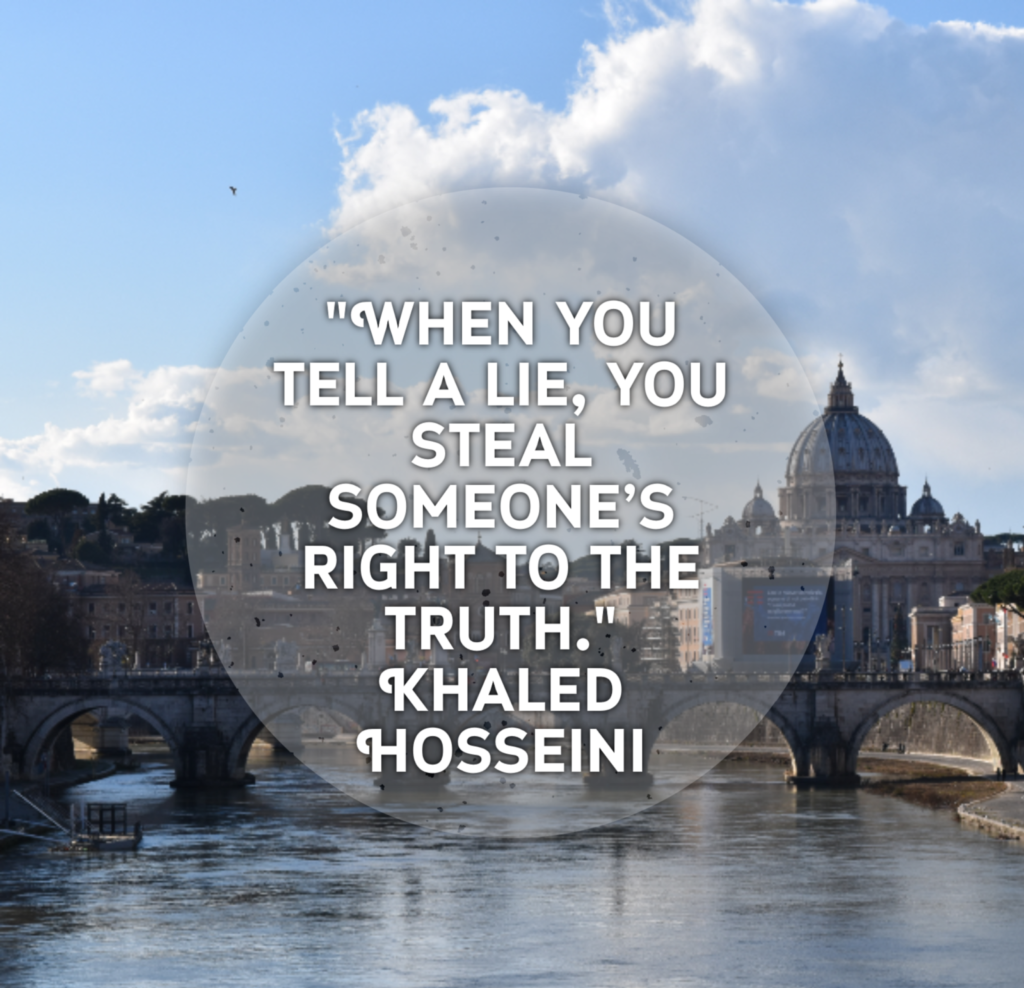
We all value honesty, yet it often feels rare. Why is that?
Part of the challenge may lie in fear: fear of conflict, fear of rejection, fear of disappointing others, or fear of confronting uncomfortable truths about ourselves. Sometimes it feels safer to soften reality rather than face it directly.
But when honesty disappears from our lives, something important disappears with it — clarity.
Many of us learn early in life that small lies can make situations easier. We see exaggeration in advertising, selective truths in public discourse, and everyday situations where people avoid saying what they truly think.
Gradually, it becomes normal. Yet deep down, most people know how it feels to be misled. Trust breaks easily when honesty disappears.
“Every lie is two lies — the lie we tell others and the lie we tell ourselves to justify it.” – Robert Brault
Perhaps that is why one of the most important forms of honesty is not the honesty we offer others — but the honesty we practice with ourselves. When we avoid acknowledging our own feelings, values, or desires, we can slowly drift away from the life that truly reflects who we are.
Being honest does not mean becoming harsh or insensitive. Truth and kindness do not have to oppose each other.
There are moments when honesty can be expressed gently, with respect for the other person. For example, if someone gives you a gift you do not like, honesty does not require blunt criticism. Gratitude for the gesture can still be genuine, even if the object itself is not something you would have chosen.
Honesty is not about brutal transparency. It is about sincerity, integrity, and respect.
“There is always a way to be honest without being brutal.” – Arthur Dobrin
The longer a lie is maintained, the heavier it often becomes. Small distortions can grow into complicated stories that require constant maintenance.
Truth, on the other hand, may sometimes feel uncomfortable in the moment — but it tends to simplify life in the long run.
When we practice honesty with ourselves and with others, something interesting happens: our relationships become clearer, our choices become more aligned with our values, and our inner life becomes quieter.
Honesty does not guarantee an easy life, but it often brings a deeper kind of freedom. It frees us from the exhausting effort of maintaining appearances and allows us to live with greater authenticity. And perhaps the first step toward that freedom is simple: start by being honest with yourself.