
At some point in life, most of us are asked to face fear if we want to grow, change, or move toward something that matters to us. There are no guarantees. Facing fear does not promise success, and courage does not protect us from disappointment. But when fear makes every important decision for us, something is almost guaranteed: we remain where we are, and the life we long for stays out of reach.
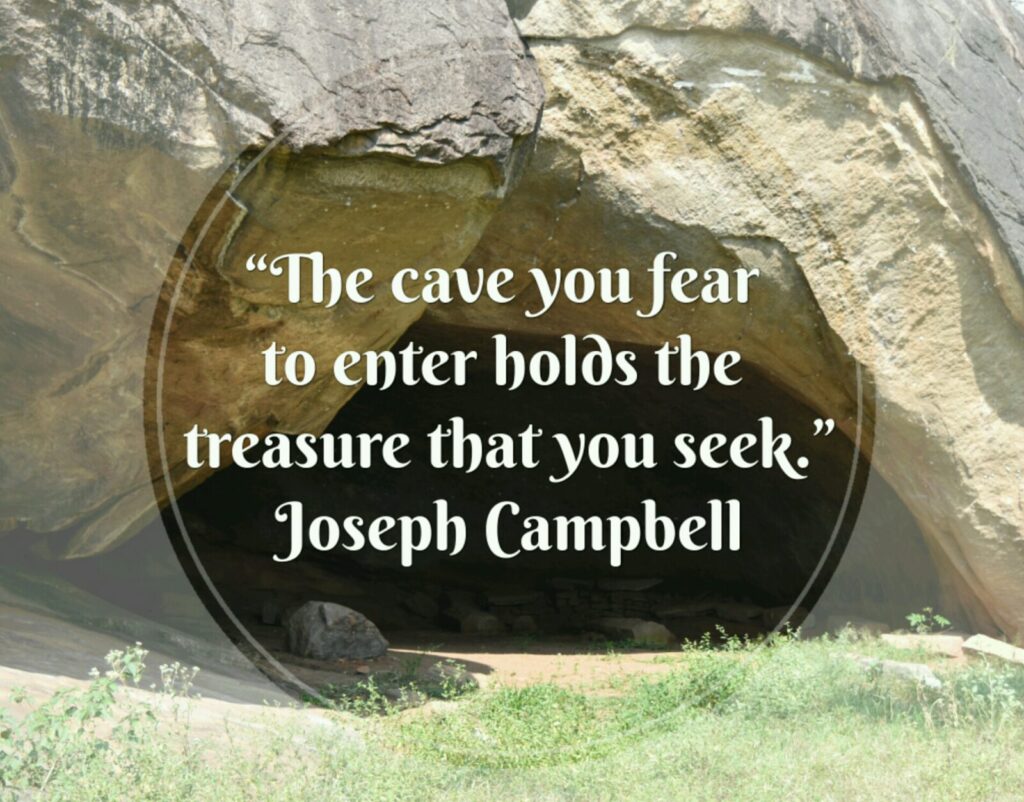
Fear can be powerful. It can create distance between us and the things we care about most. It can make us hesitate, postpone, doubt ourselves, and slowly convince us that staying still is safer than trying.
Many dreams are not lost because people do not care enough. They are lost because fear becomes louder than desire. Fear of the unknown. Fear of failure. Fear of rejection. Fear of what other people might think.
Looking back on my own life, I can see how many times fear stopped me from doing something I wanted to do. I gave up on ideas, avoided risks, or stayed still because my mind was full of endless questions:
What if I fail?
What if I’m not good enough?
What if people judge me?
What if I lose what I already have?
Those questions felt real, but they were not always wise. Often, they were simply fear trying to keep me safe.
“The only thing we have to fear is fear itself.” – Franklin D. Roosevelt
One of the most important steps in dealing with fear is learning to recognize it.
Fear often disguises itself as reason, caution, or realism. Sometimes it tells us we are being sensible when, in truth, we are simply avoiding discomfort. Once we begin to notice that fear is shaping our thoughts, we can pause and ask a better question:
Is this fear protecting me from real danger, or is it protecting me from growth?
Life is uncertain by nature. We do not get guarantees before we act. We do not know exactly what will happen before we try. That uncertainty can feel uncomfortable, but it is also part of what makes life alive.
If we wait until everything feels safe and certain, we may wait forever.
“Each of us must confront our own fears, must come face to face with them. How we handle our fears will determine where we go with the rest of our lives.” – Judy Blume
Not all fear is irrational. Some fears are protective and useful. But many of the fears that limit our lives are shaped by past experiences, habits, and stories we have repeated to ourselves for years.
I remember being afraid of spiders. At some point I stopped and asked myself: why am I so scared of something that has never actually harmed me? I realized much of that fear had been learned. Slowly, by facing it little by little, the fear began to lose some of its power.
The same thing happened with a much bigger fear: living in another country, in a different language and culture. That fear felt real. It tried to keep me where everything was familiar. In a way, it was trying to protect me.
But one day I had a different thought:
If I am going to fear something, maybe I should fear the idea of living a life that does not feel like mine because I was too afraid to pursue what mattered to me. That thought changed something. It did not erase fear, but it gave me a reason to move anyway.
You don’t have to feel fearless to take the first step. You just have to take it. The feeling catches up later.