
Many people live with a quiet tension between who they truly are and who they feel expected to be. From an early age, we are taught—directly or indirectly—that success often depends on fitting in, being accepted, and learning how to move comfortably within society’s expectations. And while belonging is a very human need, there is a cost when belonging requires us to deny who we really are.
We may be praised. We may be accepted. We may even look successful from the outside. And still, something inside us can feel false. Because when we abandon ourselves in order to be approved by others, we may gain acceptance while losing something more important: our authenticity.
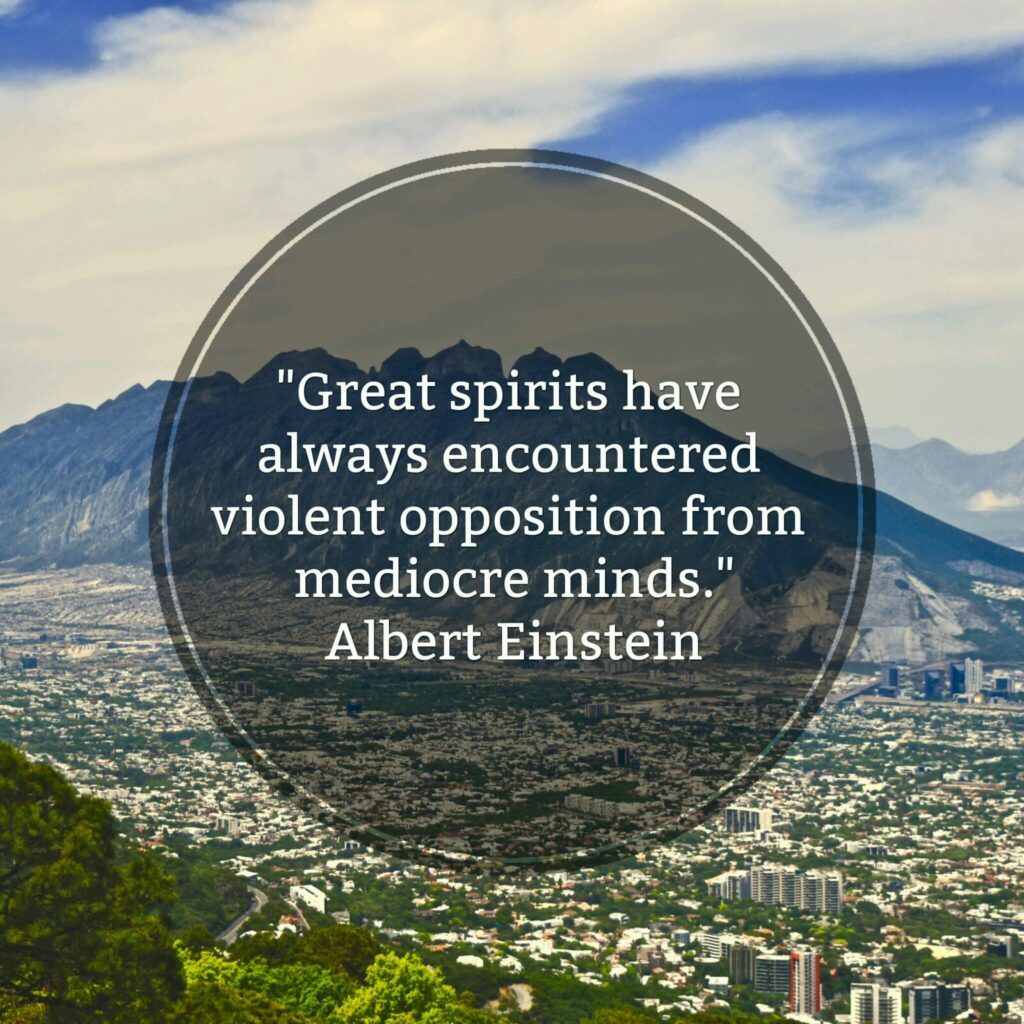
One of the easiest ways to avoid criticism is to stay close to the majority. To say what others say, do what others do, and become what others consider acceptable. It can feel safer that way. But safety and alignment are not always the same thing. Some of the people who feel most out of place in the world are often those who think differently, question what is accepted, dream beyond what seems realistic, or simply do not fit the usual mold. These are often the people who are misunderstood first.
“Can you remember who you were, before the world told you who you should be?” – Danielle LaPorte
To be yourself in a world full of expectations can require courage. Not because being authentic is dramatic, but because it can come with discomfort. Sometimes it means disappointing people. Sometimes it means standing apart. Sometimes it means accepting that not everyone will understand the path you are choosing. That is not easy.
Most people do not enjoy rejection. Few people want to be criticized, misunderstood, or seen as different. It is much easier to stay in the “acceptance zone” and become what is expected of us. But if we constantly shape ourselves around other people’s approval, we risk building a life that does not actually feel like ours.
This is why self-acceptance matters so much. The more grounded we become in who we are, the less dependent we are on everyone else agreeing with us. Their opinions may still affect us, but they no longer have the power to define us.
“Whenever you find yourself on the side of the majority, it is time to pause and reflect.” – Mark Twain
Being yourself does not mean rebelling for the sake of rebellion. It does not mean rejecting everything society offers. It simply means living in a way that is aligned with your values, your character, and the truth you feel inside. At school, at work, in friendships, in family systems, and in every other part of life, that kind of honesty can feel vulnerable. But it is also freeing.
You do not have to be the loudest, the most popular, the most admired, or the most impressive person in the room to live authentically. You only need the willingness to stop betraying yourself in order to belong. That may look like speaking honestly. Or choosing a different path. Or not pretending to be someone you are not. Or simply allowing yourself to want what others may not understand.
There is courage in that.
So discover who you are beneath the expectations. Accept what is true in you. Keep growing, keep learning, and keep becoming more honest with yourself. Because one of the most powerful things a person can do is not to impress the world— but to live as themselves within it.